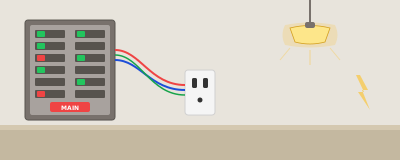
Check for Overloaded Circuits
Why It Matters
Overloaded circuits are a leading cause of electrical fires. Identifying them before they overheat prevents disaster.
Quick Guide
- 1
Gather your tools and materials
You'll need: basic tools. Materials required: necessary materials.
- 2
Perform the check for overloaded circuits
Review which appliances and devices share circuits, especially in the kitchen and home office. Look for warm outlets or flickering lights. Safety note: Never use extension cords as permanent wiring.
- 3
Verify and clean up
Check that the work was completed correctly and clean up your workspace. If if breakers trip frequently or outlets feel warm, consider calling a professional.
Community Tips
Daisy-chaining power strips or plugging one surge protector into another creates a fire hazard and voids most manufacturer warranties; this setup can draw more current than a single circuit breaker can safely handle, even if individual devices seem low-power.
A Fluke 117 Digital Multimeter ($90-120) allows homeowners to measure actual circuit load by testing voltage and amperage at outlets, eliminating guesswork about whether a 15-amp breaker is genuinely overloaded or simply undersized for modern appliance demands.
Upgrading from a standard 15-amp breaker to a 20-amp breaker costs $150-300 in labor when performed by a licensed electrician, but attempting this without proper permits can result in insurance claim denials if an electrical fire occurs and void home warranties. ---