Check Whole-House Surge Protection
Why It Matters
A single power surge can fry thousands of dollars in electronics and appliances simultaneously. Whole-house protection is your first defense.
Quick Guide
- 1
Gather your tools and materials
You'll need: basic tools. Materials required: necessary materials.
- 2
Perform the check whole-house surge protection
Verify your whole-house surge protector is properly installed and functioning, or evaluate installing one. Safety note: Do not open the electrical panel yourself.
- 3
Verify and clean up
Check that the work was completed correctly and clean up your workspace. If installation requires a licensed electrician, consider calling a professional.
Community Tips
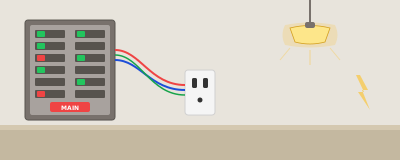
A whole-house surge protector installed at the main electrical panel stops voltage spikes before they reach appliances and electronics, unlike outlet-level protectors that only guard individual devices. Eaton's CH Surge Protection Breaker ($150-250) integrates directly into most residential panels and provides comprehensive protection for the entire home during lightning strikes or grid disturbances.
Homeowners often mistakenly believe power strips with surge protection are sufficient protection -- they are not, as they only protect devices plugged into them and can fail silently without any visual indicator. A main panel surge protector will catch damaging transients that destroy HVAC systems, water heaters, and hardwired appliances that cannot be plugged into outlets.
Installing a whole-house surge protector costs $300-800 total when factoring in both the device and professional electrician labor, which is significantly cheaper than replacing a single damaged air conditioner compressor ($1,500-3,000) or multiple appliances hit by an unprotected power surge. Siemens Whole-House Surge Protectors ($120-200) are among the most affordable options and typically pay for themselves through insurance savings and appliance protection within 3-5 years. ---