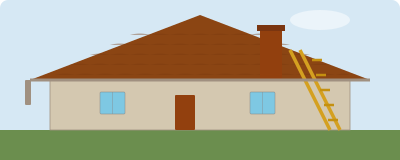
Clean and Inspect Chimney Cap
Why It Matters
A damaged chimney cap lets rain, animals, and debris into your chimney, causing water damage and potential chimney fires.
Quick Guide
- 1
Gather your tools and materials
You'll need: Binoculars or ladder. Materials required: necessary materials.
- 2
Perform the clean and inspect chimney cap
Check the chimney cap for damage, blockage, or missing spark arrestor. Clean debris. Safety note: Do not climb on roof without safety equipment.
- 3
Verify and clean up
Check that the work was completed correctly and clean up your workspace. If if cap is damaged or missing, consider calling a professional.
Tools & Materials
Tools
- Binoculars or ladder
Community Tips
A chimney cap's mesh should be inspected for rust perforation and debris accumulation, as even small holes allow rain and animals to enter the flue—use a stiff wire brush and mild detergent solution to remove creosote buildup, then rinse thoroughly before resealing with Rutland High-Temperature Silicone Sealant ($12-18), which withstands repeated freeze-thaw cycles better than standard caulks.
Never attempt chimney cap cleaning without securing the ladder to the roof edge, as the cap sits at the steepest pitch where a single slip is catastrophic—most homeowners underestimate wind force and the disorientation of working at height, making a rope safety system non-negotiable even for experienced DIYers.
Replacing a corroded or damaged chimney cap typically costs $150-400 when hired out, but a stainless steel replacement cap like the Shelter Stainless Chimney Cap ($60-120) installed yourself saves labor while providing 15+ years of protection compared to 3-5 years for galvanized alternatives. ---