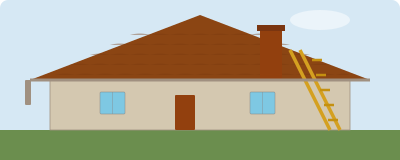
Inspect Soffits and Fascia
Why It Matters
Damaged soffits and fascia let pests and moisture into your attic and wall cavities, causing hidden damage that spreads silently.
Quick Guide
- 1
Gather your tools and materials
You'll need: Binoculars. Materials required: necessary materials.
- 2
Perform the inspect soffits and fascia
Check soffits and fascia boards for rot, peeling paint, pest holes, and detachment from the house.
- 3
Verify and clean up
Check that the work was completed correctly and clean up your workspace. If visible rot, large gaps, or pest entry points, consider calling a professional.
Tools & Materials
Tools
- Binoculars
Community Tips
Binoculars eliminate the need for ladders during initial soffit and fascia inspection, reducing fall risk significantly. Quality optics like Nikon Prostaff 7S ($150-200) provide 8x magnification and close-focus capability to spot rot, pest damage, and separation from 20 feet away without climbing.
Fascia boards showing soft spots or dark staining indicate active water intrusion that will spread to roof decking within months if ignored. Delaying replacement of compromised fascia on homes with aluminum gutters (common on structures 15+ years old) typically results in $2,000-5,000 in additional structural repairs that could have been prevented.
Soffits should have visible gaps or perforations to allow attic ventilation; solid soffits without these openings trap moisture and accelerate mold growth. Replacing sealed soffits with properly vented alternatives like Certainteed VentraRidge ($40-60 per 10-foot section) restores airflow and extends roof life by 5-7 years. ---