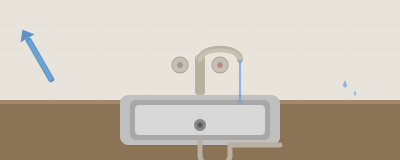
Test All Bathroom Faucets and Drains
Why It Matters
Small leaks and slow drains worsen over time. Catching them early prevents water damage and expensive plumber calls.
Quick Guide
- 1
Gather your tools and materials
You'll need: basic tools. Materials required: necessary materials.
- 2
Perform the test all bathroom faucets and drains
Run all bathroom faucets and check for slow drains, leaks, and proper hot/cold function.
- 3
Verify and clean up
Check that the work was completed correctly and clean up your workspace. If any leaks or significantly slow drains, consider calling a professional.
Community Tips
Listen for running water behind walls or under cabinets while testing each faucet—this often indicates a slow leak in supply lines that won't show up visually but will inflate water bills by 10-15% monthly. Moen and Delta faucets typically have accessible shut-off valves underneath that allow you to isolate problem areas before calling a plumber.
A basic leak detection kit like the Flo by Moen Smart Water Detector ($50-80) identifies hidden drain leaks in real time by monitoring pressure changes, catching problems that the naked eye misses until water damage becomes expensive. Traditional flashlight-and-mirror inspection only catches surface-level issues.
Drain clogs often mask deeper blockages further down the line—if water drains slowly in multiple fixtures simultaneously, the issue likely isn't the faucet aerator but a main line clog that requires professional video inspection before DIY attempts cause backup into walls or foundations. ---